GHK-Cu peptide therapy
5 things to know about GHK-Cu
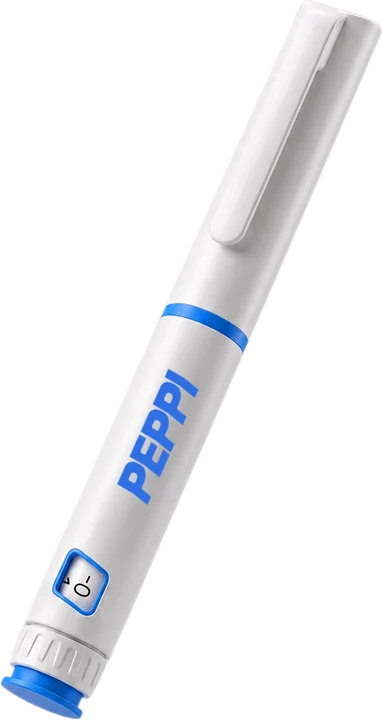
A naturally occurring copper peptide studied for collagen, skin renewal and healthy aging. Prescribed by a licensed clinician, lab tested, and delivered in a pre-filled pen.
- Third-party tested
- Ongoing care team
- Pharmacy compounded
- Free 2-day shipping
Takes under 2 minutes · 100% private · No insurance required

$299 $149 50% off
What to know about GHK-Cu
You keep up with your skin routine. But over time, skin can lose its firmness, and fine lines can be slow to soften.
That is one reason GHK-Cu gets so much attention. It is a copper peptide found naturally in human blood, and its levels fall as we age.
Here are five things to know before you ask a clinician about it.
01of 05
It's a copper peptide found in human blood
GHK-Cu is short for glycyl-histidyl-lysine copper. It's three amino acids, glycine, histidine and lysine, bound to a copper ion, and scientists first found it in human blood in 1973.
- Peptide
- GHK-Cu, 3 amino acids bound to copper
- In each pen
- 50 mg, a one-month supply
- Form
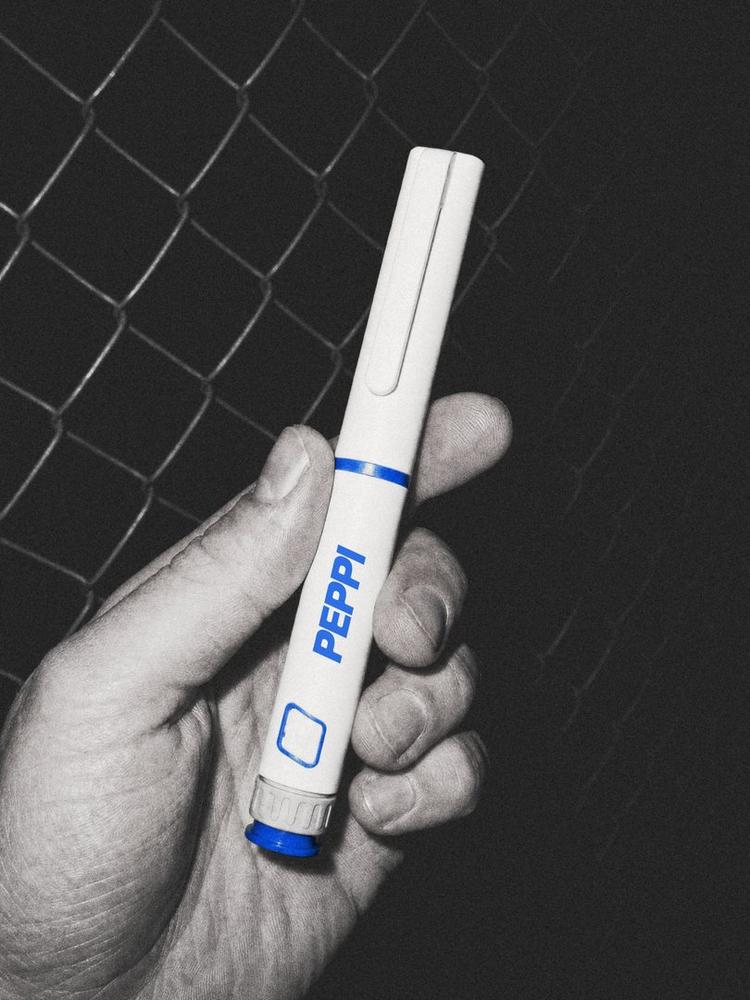
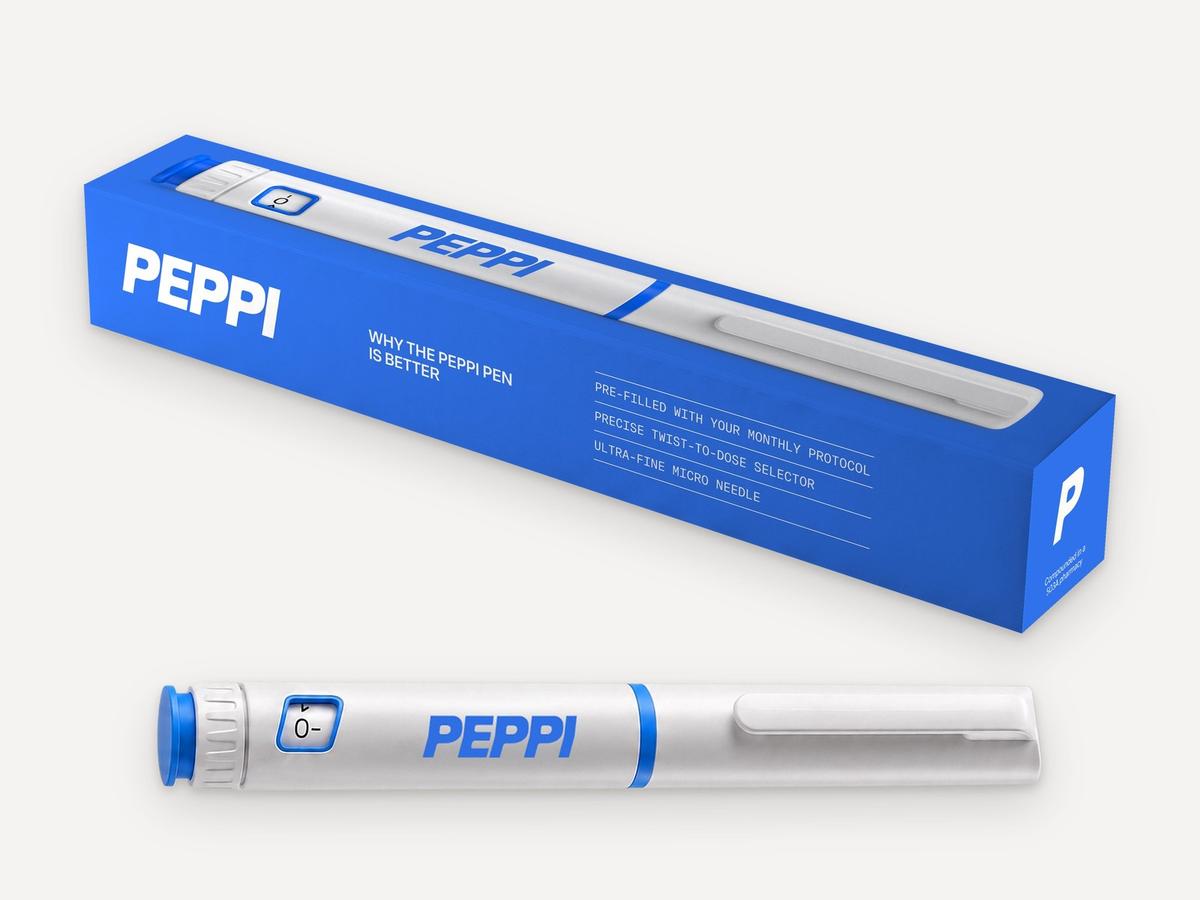
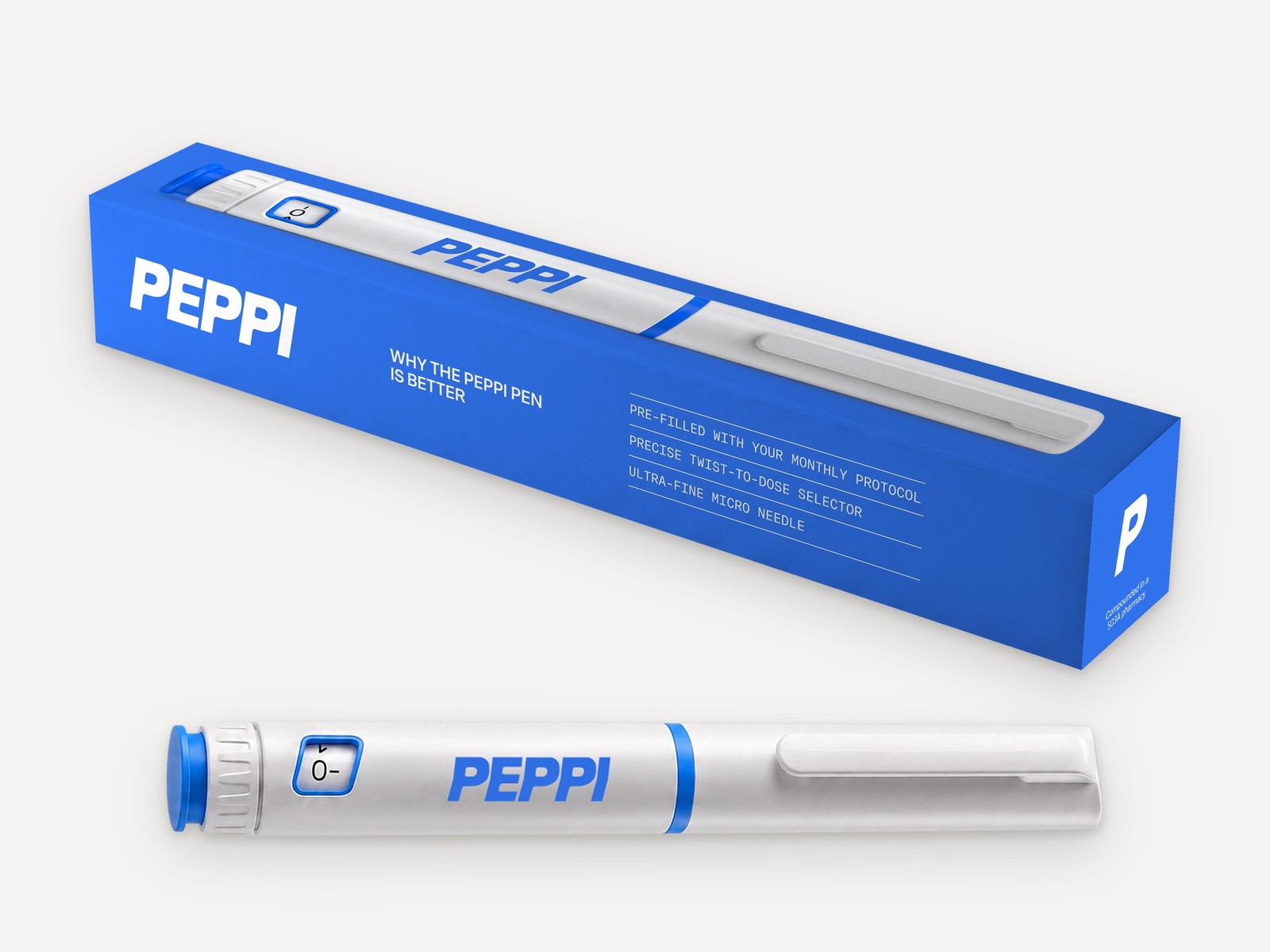
- Pre-filled pen with a twist-to-dose selector
- Category
- Beauty
02of 05
It's studied for collagen, elastin & skin renewal
In lab studies, GHK-Cu signals skin cells to make more collagen and elastin and helps regulate the enzymes that break down old tissue. Its levels in the blood fall with age.
Skin glow
GHK-Cu is a naturally occurring copper peptide studied for its role in skin regeneration and repair.
Collagen support
May support the processes involved in collagen and elastin production, two key components of healthy-looking skin.
Healthy aging
Studied for cellular repair and skin-remodeling processes associated with maintaining healthier-looking skin over time.
1973
year it was found
Scientists first identified GHK-Cu in human blood in 1973 and have studied it for skin repair since.
2 of 20
studies were randomized
A 2026 review of GHK-Cu's aesthetic use counted only 2 randomized trials among 20 studies.
1–3
months in cream trials
Small cream trials reported skin changes within about 1 to 3 months. No published trial has timed results for injections.
0
FDA-approved drugs
No FDA-approved drug product contains GHK-Cu, and FDA calls human data on injectable GHK-Cu limited.
03of 05
The human research is still early
That's the honest part, and it matters. Most human trials tested creams, mostly in women around 50, not injections. A clinician should decide whether it fits your goals and health history.
FDA says human data on injectable GHK-Cu are limited, and no published trial has timed results for injections. That is why every Peppi prescription starts with a clinician review of your intake.
Results come in stages.
Week 1
Build the routine
Get comfortable with the peptide and stay consistent. Skin changes can take time, so focus on following the plan and establishing a clear baseline.
Weeks 2–4
Feel early signals
Skin may begin to feel more hydrated and look a little brighter or more even.
Months 2–3
See consistent change
Changes in tone, texture, and the look of fine lines may become easier to see.
Months 4–6
Sustain the benefit
The goal is a visible, lasting improvement in overall skin quality.
Peptide therapy is cumulative. We recommend patients commit 4‑6 months for results to build.
*Applies only if a practitioner prescribes treatment. Onset and response vary by individual; statements pending medical review and are not a guarantee of outcomes.
04of 05
Results come in stages
Skin changes take time, and peptide therapy is cumulative. Here's what Peppi tells patients to expect over the first six months, if a clinician prescribes it.
05of 05
Peppi makes it one pre-filled, tested pen
No vials, no mixing and no guesswork. Each pen holds 50 mg as a one-month supply, every batch is lab tested before it ships, and a licensed clinician sets your dose.
The GHK-Cu pen
Everything you need, in one pen
Shop all peptidesOne pen, eight peptides. Pick yours:
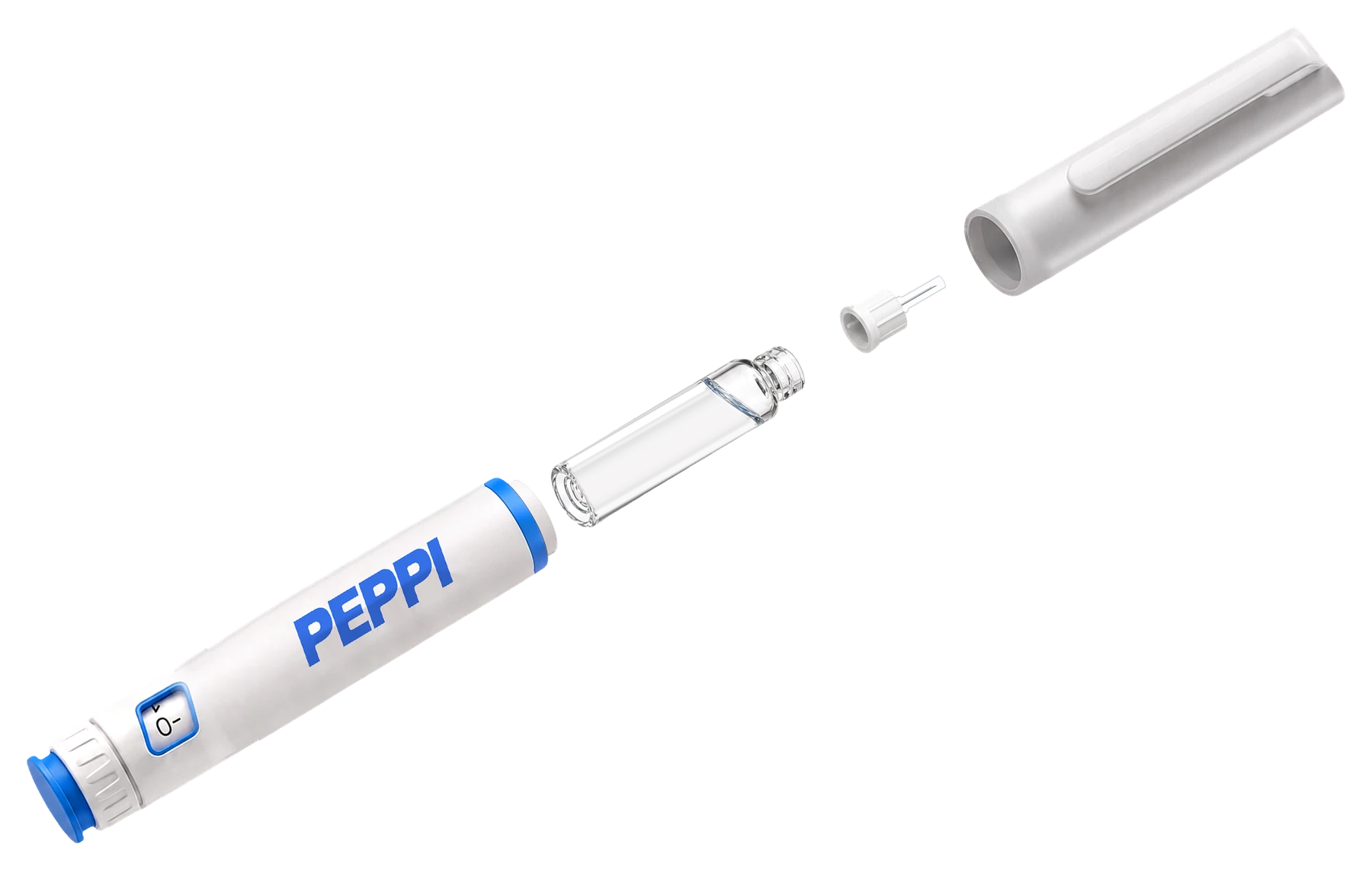
GHK-Cu 50 mg peptide pen
GHK-Cu
GHK-Cu 50 MG
GHK-Cu is a small, naturally occurring tripeptide in human plasma, also released from tissue after an injury.
Studied for:
Add to cartFull refund if your prescription isn't approved
- Third-party tested
- Ongoing care team
- Pharmacy compounded
- Free 2-day shipping
Third-party lab tested peptides
What's in the pen matters. So does where it comes from.
Your peptides shouldn't come with guesswork. Peppi's prescription protocols are clinician-reviewed, filled by licensed U.S. pharmacies, and lab tested before they reach your door.
- Sourced from licensed U.S. pharmacies
- Clinician-reviewed prescriptions
- Pharmaceutical-grade ingredients only
- Batch-tested before shipping
Testing performed by Accumark Labs and Atlas Analytics, independent third-party laboratories
Peppi pens vs “research use only” peptides
How Peppi compares
| Peppi | Research-use-only peptides | |
|---|---|---|
| For human use | Yes | No |
| Pre-filled & pre-mixed | Yes | No |
| Easy dosing | Yes | No |
| Prescribed by a clinician | Yes | No |
| Dispensed from a pharmacy | Yes | No |
| Third-party lab tested | Yes | No |
| Ongoing care team | Yes | No |
Not sure where to start?
Answer a few questions and we'll tell you where to start.
How online peptide prescriptions work
From quiz to your door in 2–3 days

Step 1 Today
Answer a few questions. We'll handle the rest.
- No commitment required
- 100% online, takes under 2 minutes
- 100% private and secure
Step 2 Within 24 hours
A real clinician builds your plan.
- Dosing personalized from day one
- Peptides matched to your body and goals
- Licensed, certified clinicians
Step 3 Within 2–3 days
Everything you need. Delivered to your door.
- Direct from a U.S. pharmacy
- Free 2-day shipping
- Your pen, supplies, care team, and personalized plan
Step 4 Every 28 days
Your plan evolves with your goals.
- Unlimited video calls & messaging with your care team
- Simple refills & adjustments
- Pause or cancel anytime
GHK-Cu FAQs
Frequently asked questions
What is GHK-Cu?
GHK-Cu is a naturally occurring copper peptide made of three amino acids, glycine, histidine and lysine, bound to a copper ion. It was first found in human blood in 1973, and plasma levels fall from about 200 ng/mL at age 20 to 80 ng/mL by age 60. It is studied mainly for skin repair.
What does GHK-Cu do?
GHK-Cu signals skin cells to make more collagen and elastin and helps regulate the enzymes that break down old tissue, according to lab studies. In small cream trials, mostly in women around age 50, it improved signs of skin aging. A 2026 review of its aesthetic use counted only 2 randomized trials among 20 studies.
Is GHK-Cu FDA approved?
GHK-Cu has no FDA-approved drug product, and a Drugs@FDA search in November 2026 lists none containing it. An FDA compounding page updated in April 2026 says compounded injectable GHK-Cu may pose a risk of immune reactions and that human data are limited. FDA plans to consult its advisory committee on GHK-Cu before March 2027.
How long does GHK-Cu take to work?
Small GHK-Cu cream trials reported skin changes within about 1 to 3 months of use. No published trial has timed results for GHK-Cu injections. Peppi recommends committing 4 to 6 months, and its GHK-Cu page says changes in tone and texture may become easier to see in months 2 to 3.
How often should you inject GHK-Cu?
GHK-Cu injection frequency has no standard from clinical research, because published human trials mostly studied creams rather than injections. A 2026 orthopaedic review notes that dosing and frequency for injectable peptides remain unknown. A licensed Peppi clinician sets each patient's schedule, and the pen's twist-to-dose selector delivers the prescribed amount.
Does GHK-Cu help with loose skin?
GHK-Cu creams have some small-study support for firming loose skin, but the evidence is thin. A 12-week facial cream study in 71 women reported less laxity, though it appeared as meeting proceedings from researchers tied to a copper-peptide skincare company. No trial has tested GHK-Cu injections for sagging skin, so results are not guaranteed.
Does GHK-Cu help with hair growth?
GHK-Cu has encouraging hair growth data in animals but little proof in people. Lab and animal research links it to larger hair follicles, and in one mouse study it brought on the growth phase sooner than minoxidil. The main human report combined copper peptides with minoxidil and dutasteride, so GHK-Cu's own effect is unclear.
What is the difference between GLOW and GHK-Cu?
The GHK-Cu pen contains GHK-Cu alone, aimed at skin renewal, collagen and healthy aging, while GLOW pairs GHK-Cu with BPC-157 and TB-500. Those two added peptides were studied, mostly in animals, for tissue repair, so GLOW targets skin and recovery together. Your Peppi clinician can tell you which one better matches your goals.
Have more questions?
Email: [email protected]
Call: +1 302-499-3831
GHK-Cu articles & guides
Read more about GHK-Cu
 How-to
How to improve skin elasticity: 7 habits, from sunscreen to GHK-Cu
Seven habits for skin elasticity, from daily sunscreen and a retinoid to diet, vitamin C and what research shows about GHK-Cu.
Peppi HealthOct 23, 2026 How-to
How to increase collagen naturally & with copper peptides
The food, vitamin C, sunscreen and retinoid habits with real evidence, and where copper peptides like GHK-Cu fit.
Peppi HealthOct 23, 2026 Comparison
GLOW vs KLOW peptide: What KPV adds to the blend
GLOW vs KLOW: what each pen holds, what the mouse research on KPV shows, and which blend fits skin or recovery goals.
Peppi HealthOct 23, 2026
Get GHK-Cu prescribed online
Is GHK-Cu right for you?
The next step is to talk to a licensed clinician. Answer a few questions, and a clinician reviews your health history and builds your plan within 24 hours.
100% refund if prescription is not approved
Important safety information
Prescription treatment is subject to independent medical evaluation and applicable legal requirements. GHK-Cu is not an FDA-approved drug, and no FDA-approved drug product contains it. Its research in people is limited and mostly tested creams, not injections. FDA says compounded injectable GHK-Cu may pose a risk of immune reactions. GHK-Cu is not approved to treat any condition. Treatment carries risks and may not be appropriate for everyone.